Constitutions & Republics
Earliest Palaeolithic tool industry in the Nok valley
Gravels in the oldest infill of a buried channel in the Nok valley yielded large numbers of bifaces and cleavers of an Acheulian/early industry.
Read story →Hall of Fame
Landmarks hold the centre; everything else drifts left and right along a dotted spine. Keep scrolling — more unfolds era by era.
37000 BCE → 2026Scroll to unfold
Deep history
Gravels in the oldest infill of a buried channel in the Nok valley yielded large numbers of bifaces and cleavers of an Acheulian/early industry.
Read story →Deep history
In the last decade of the 17th century a split between the Iyase and town chiefs and the palace chiefs led to a lengthy civil war in which Benin City was again…
Read story →About 1690 the Oba of Benin began to take drastic action against powerful chiefs both within Benin City and in the provinces, striking particularly at the weal…
Read story →Akenzua I was the Oba who emerged triumphant from the civil wars spanning the end of the seventeenth and opening of the eighteenth centuries.
Read story →In 1754 Basorun Gaha moved to deprive the Alafin of economic power by substituting his own relations for the Alafin's Ajele in tributary towns, becoming as des…
Read story →The Egba, located west of Ife and north of Lagos, revolted and gained independence from Oyo by around 1796 as Oyo's power weakened.
Read story →Keep scrolling — more from deep history
Pre-Independence
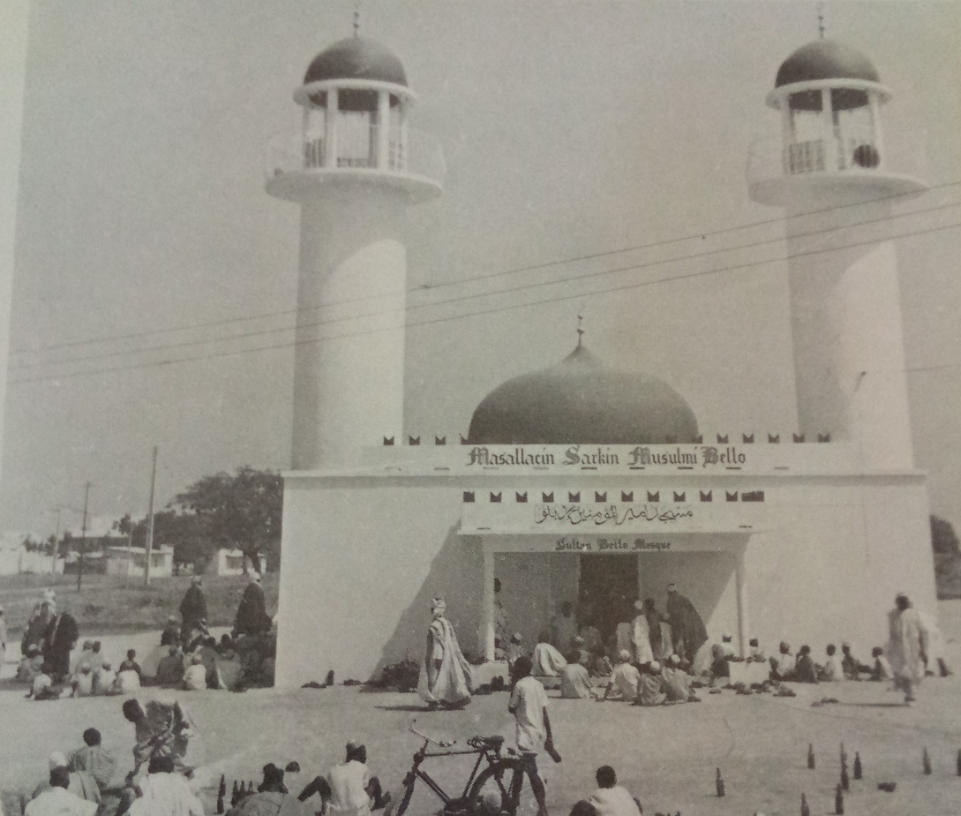
After the jihad, the Sokoto Caliphate organized a network of emirates under religious and political authority.
Read story →Soon after Usman dan Fodio's death, Abd al-Salam, the follower whose emigration from Gobir had helped instigate the jihad, rebelled against the caliphate in 18…
Read story →Around 1823, six years after the initial rebellion, Muslims seized full control of Ilorin, which became an emirate of the Sokoto Caliphate under the immediate…
Read story →On 30 June 1849 John Beecroft was appointed British Consul for the Bights of Benin and Biafra—the first such appointment, marking the formal establishment of B…
Read story →In 1855 full-scale civil war broke out in Bonny between the royalist (pro-Pepple) and anti-monarchist (pro-Alali) factions.
Read story →In 1869 Anna Pepple House and Manilla Pepple House went to war in Bonny, after which Ja Ja evacuated the town and founded his own state upriver at Opobo.
Read story →In 1869 a second civil war broke out in Bonny between the rival trading houses led by Oko Jumbo and Jaja (Anna Pepple House).
Read story →
European powers formalized rules of imperial competition in Africa, accelerating claims over territory including the Niger basin.
Read story →Britain's grant of a charter to Goldie's Royal Niger Company was described as 'the cheapest and most effective way' of meeting the obligations imposed on her b…
Read story →After the Emir of Kano died in 1893, Caliph Abdurrahman bypassed the popular Yusuf bin Abdullahi for the late emir's son Tukur, prompting Yusuf to set up a riv…
Read story →
Lugard returned as governor of both Northern and Southern Nigeria, preparing the administrative merger completed in 1914.
Read story →In 1912, Frederick Lugard was sent back to Nigeria as Governor-General with the specific commission to merge the Colony and Protectorate of Southern Nigeria wi…
Read story →On the amalgamation of the Colony and Protectorate of Southern Nigeria with the Protectorate of Northern Nigeria in 1914, Lugard extended to the rest of the co…
Read story →Frederick Lugard, as Governor-General (December 1913 – November 1918), forced the various tribal national groups and the two Protectorates to amalgamate in 191…
Read story →
British and Nigerian leaders moved toward a 1960 independence date after constitutional talks and regional self-government arrangements.
Read story →
The 1959 federal election produced the coalition arrangement that took Nigeria into independence, with the Northern People's Congress and allies central to fed…
Read story →
As independence approached, Nigerian leaders pushed to replace expatriate officials and expand local administrative capacity.
Read story →
The final pre-independence settlement preserved a Westminster-style parliamentary federation with powerful regions and a federal center.
Read story →
The 1959 federal election produced a coalition government ahead of independence.
Read story →Keep scrolling — more from pre-independence
First Republic

The British Parliament passed the Nigeria Independence Act, providing the legal instrument for Nigeria to become independent on 1 October 1960.
Read story →
Abubakar Tafawa Balewa served as prime minister under a parliamentary system, with Nnamdi Azikiwe as governor-general and later president.
Read story →
Prime Minister Abubakar Tafawa Balewa governed through an NPC-NCNC coalition after independence, balancing regional parties rather than a single national major…
Read story →
Nnamdi Azikiwe served as Governor-General while Nigeria remained a Commonwealth realm with the British monarch as formal head of state.
Read story →
Nigeria became independent on 1 October 1960 under a parliamentary constitution with the British monarch as ceremonial head.
Read story →Nigeria achieved colonial independence in October 1960 as a Federation of three regions — the Northern, Western, and Eastern Regions — with a weak centre, unde…
Read story →
Nigeria became a republic on the third anniversary of independence, and Azikiwe became ceremonial president.
Read story →
Federal and Western Region elections were marred by boycott, allegations of manipulation, violence, and legitimacy disputes.
Read story →Keep scrolling — more from first republic
Military I

A group of military officers overthrew the civilian government and killed senior political and military figures, including Prime Minister Balewa and Northern P…
Read story →
Northern officers led a counter-coup in which Ironsi and others were killed; Yakubu Gowon emerged as head of state.
Read story →
Army officers attempted to overthrow the federal government, killing Prime Minister Balewa and two regional premiers.
Read story →
Northern officers and soldiers overthrew Ironsi in a violent counter-coup.
Read story →
Chukwuemeka Odumegwu Ojukwu declared the Eastern Region independent as Biafra.
Read story →
Federal forces moved against Biafra, beginning a war that lasted until January 1970.
Read story →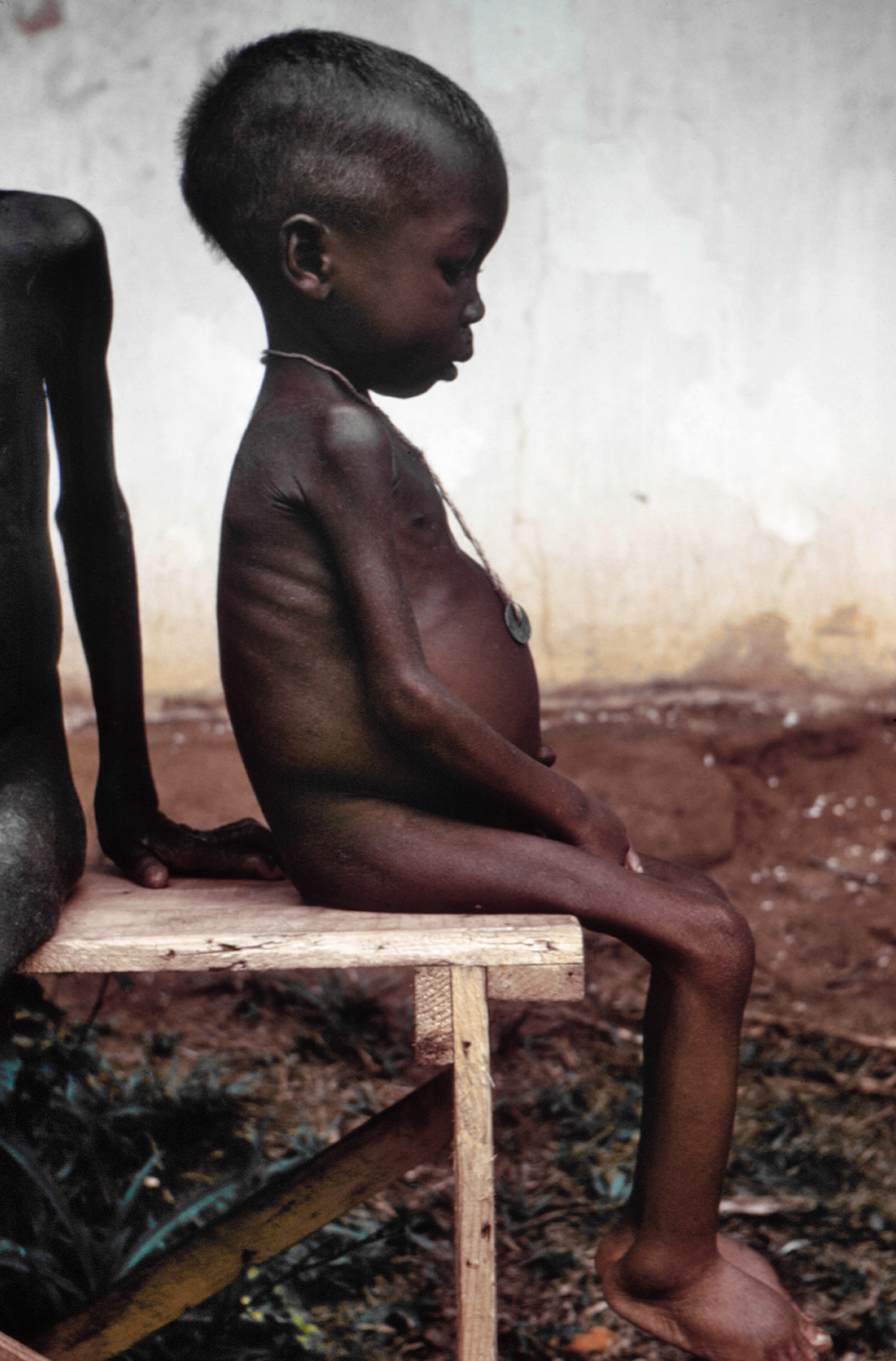
Biafran forces crossed the Niger, seized Benin City, and briefly threatened the route toward Lagos before federal forces pushed them back and later captured En…
Read story →
Ojukwu declared the Eastern Region independent as the Republic of Biafra.
Read story →Federal forces opened operations against Biafra in July 1967.
Read story →
Biafra relied on the Uli airstrip for relief flights, diplomatic contacts, and some military supply.
Read story →
Federal forces captured Port Harcourt after a campaign through the Rivers area.
Read story →
Tanzania, Gabon, Cote d'Ivoire, Zambia, and Haiti recognized Biafra across 1968-1969.
Read story →
Tanzania became one of the few African states to recognize Biafra.
Read story →
A small group of African states extended recognition to Biafra.
Read story →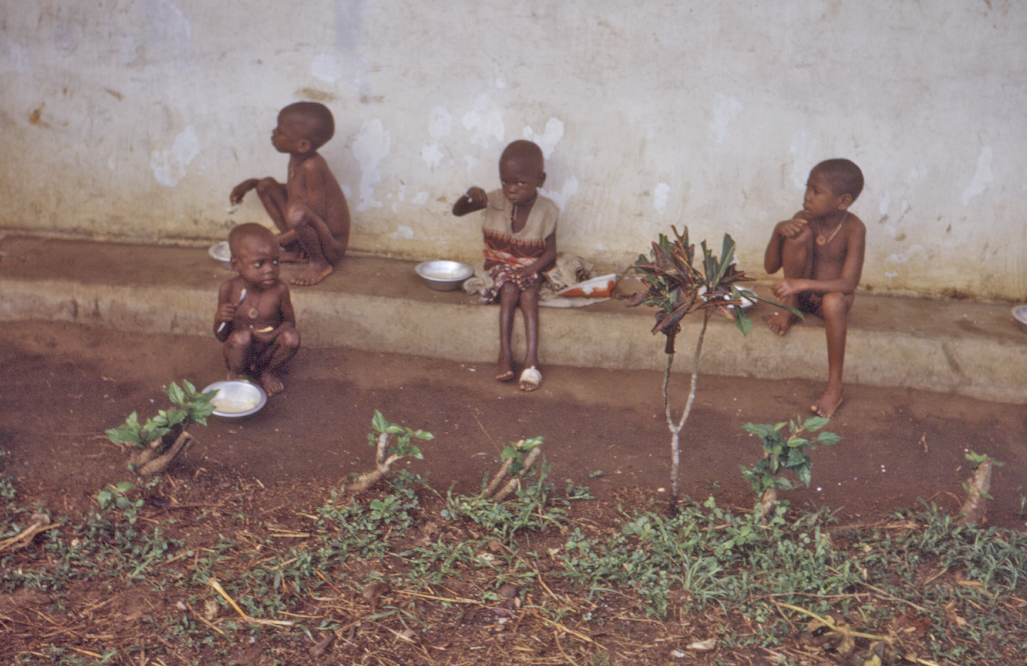
The ICRC mounted a large humanitarian operation as famine images reached the world.
Read story →
The ICRC says it established an airlift for Biafra in September 1968 as millions faced acute malnutrition.
Read story →
By 1969, federal forces had reduced Biafra to a shrinking inland enclave.
Read story →
Biafran forces surrendered in January 1970.
Read story →
As Biafra collapsed, Ojukwu handed over to Philip Effiong and left for exile.
Read story →Ojukwu left Biafra for exile as the enclave collapsed.
Read story →
Nigeria accepted Biafra's surrender, ending the war after roughly thirty months.
Read story →
The coup attempt that killed Murtala did not gain lasting control.
Read story →Keep scrolling — more from military i
Second Republic
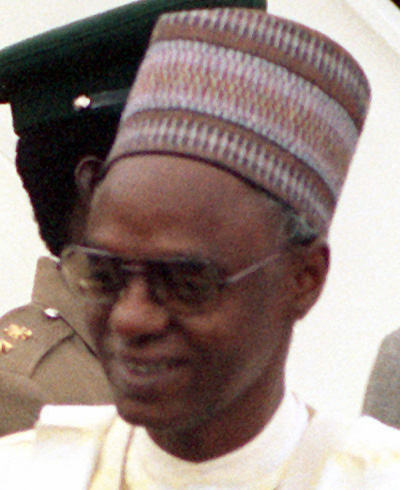
The 1979 Constitution replaced the Westminster model with a U.S.-style presidential system.
Read story →
The Shagari administration governed through a presidential system amid economic stress, corruption allegations, and party competition.
Read story →
The oil boom faded while import-heavy spending and ambitious projects continued.
Read story →Keep scrolling — more from second republic
Military II

The military overthrew Shagari, citing corruption, electoral malpractice, and economic decline.
Read story →
Disputed gubernatorial results in opposition areas, especially Ondo, triggered serious violence.
Read story →
The military overthrew Shagari's government, citing corruption, economic decay, and electoral malpractice.
Read story →
The regime detained many leading politicians and used special tribunals.
Read story →
Buhari's government detained and tried many Second Republic politicians through special procedures.
Read story →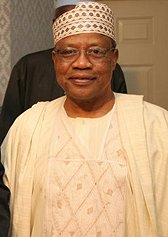
An attempted coup against Babangida included a controversial broadcast seeking to excise several northern states from Nigeria.
Read story →
Major Gideon Orkar led a failed coup attempt against Babangida.
Read story →
The government tried and executed participants in the failed Orkar coup.
Read story →
Writer and activist Ken Saro-Wiwa helped frame Ogoni claims for international audiences.
Read story →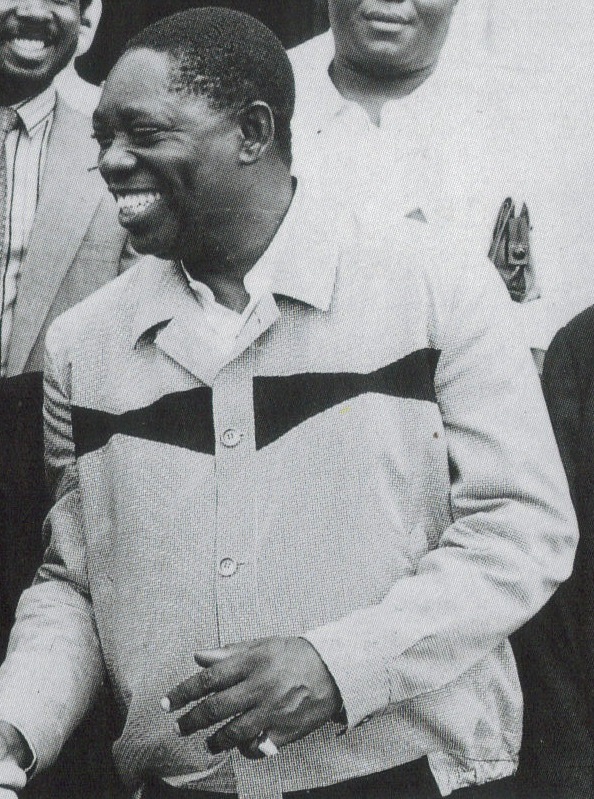
Babangida cancelled presidential primaries after leading aspirants emerged from the official parties.
Read story →Keep scrolling — more from military ii
Interim / Abacha / Abubakar

Babangida annulled the election, triggering protests, legitimacy crisis, and the collapse of his transition program.
Read story →
Pro-democracy protests followed the annulment.
Read story →
Sani Abacha overthrew the interim government and established one of Nigeria's most repressive military regimes.
Read story →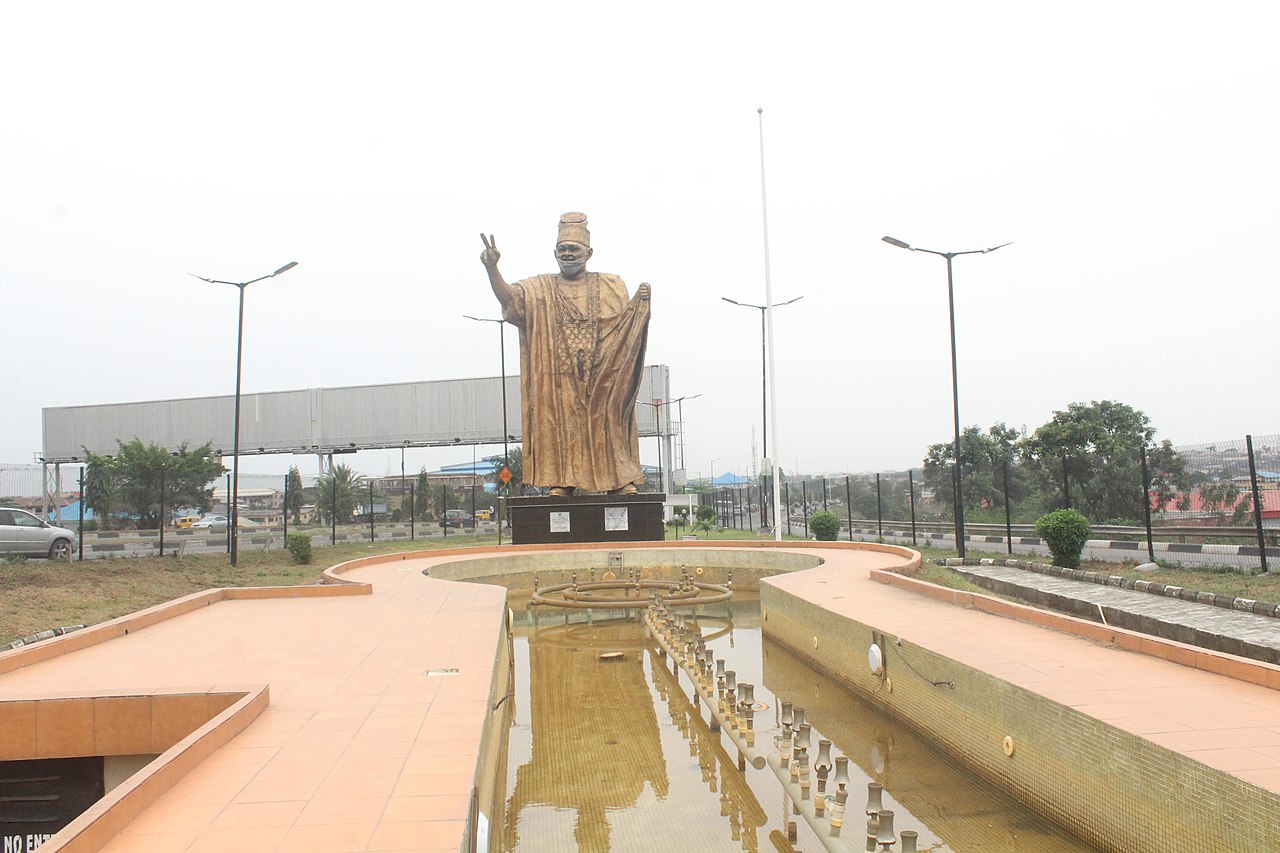
Newspapers and magazines that covered the annulment crisis faced harassment and closures.
Read story →
The interim arrangement faced legal and political challenges over its authority.
Read story →
General Sani Abacha seized power from the Shonekan-led interim government.
Read story →
The National Democratic Coalition became a key pro-democracy platform against Abacha's rule.
Read story →
Saro-Wiwa and other Ogoni activists were arrested after the killing of four Ogoni leaders.
Read story →
Abacha's government tried alleged coup plotters including Obasanjo and Shehu Musa Yar'Adua.
Read story →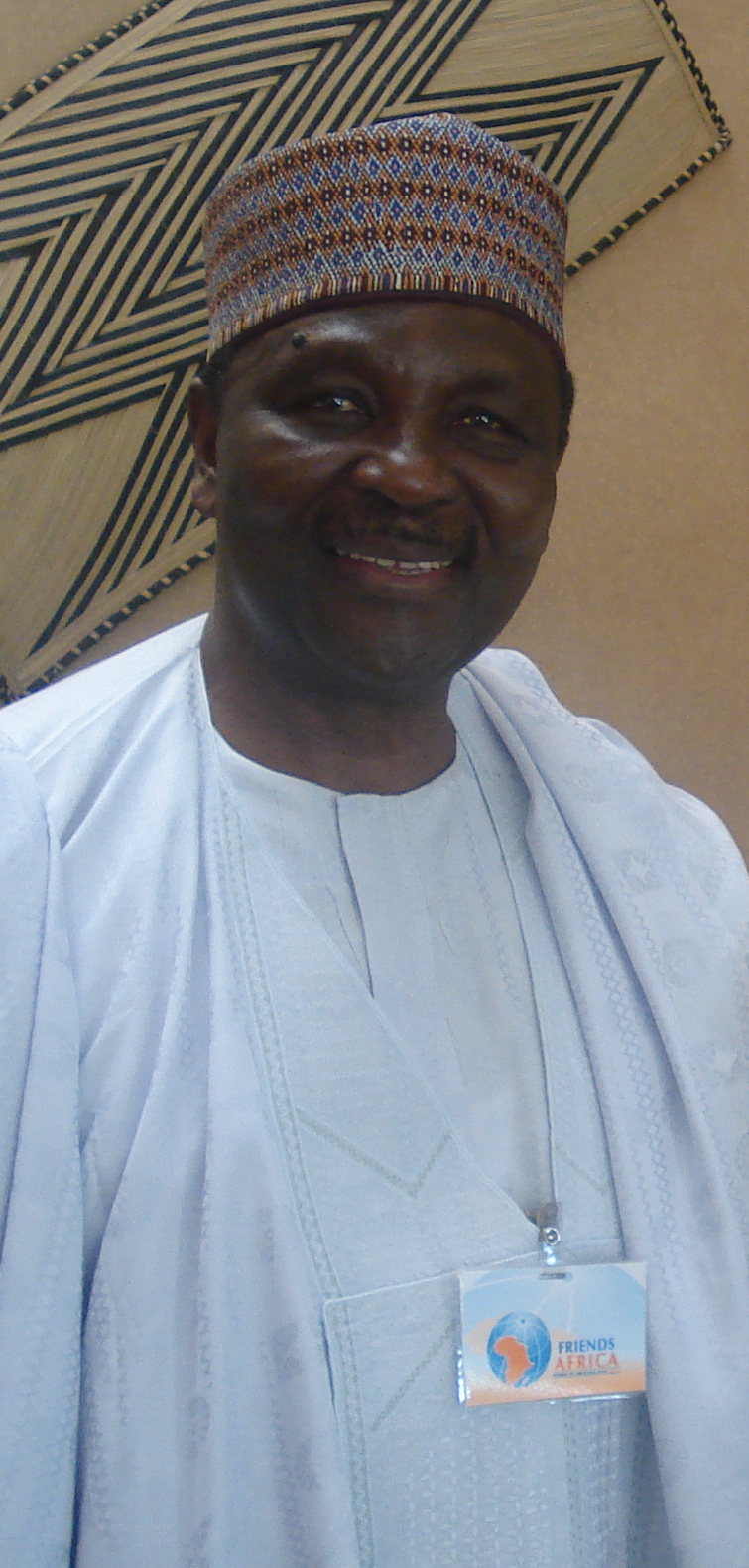
Abacha's government accused former leaders and officers of involvement in a coup plot.
Read story →
A special tribunal convicted Ken Saro-Wiwa and eight other Ogoni activists, who were executed in November 1995.
Read story →
An alleged Diya-era coup plot gave authorities reason to detain officers and civilians.
Read story →
Abacha's deputy, Oladipo Diya, and others were accused in another coup plot.
Read story →
Sani Abacha died suddenly, opening the path to another transition.
Read story →
Trials connected to the alleged Diya plot drew criticism from rights monitors.
Read story →
Keep scrolling — more from interim / abacha / abubakar
Fourth Republic

The 1999 Constitution became the legal foundation of the Fourth Republic.
Read story →
Olusegun Obasanjo became civilian president, ending nearly sixteen years of continuous military rule and almost three decades of military dominance since 1966.
Read story →
Olusegun Obasanjo was sworn in after the 1999 transition elections, and elected governors and legislatures took office.
Read story →
The new federal and state governments began operating under civilian budget politics after years of military allocation.
Read story →
Bombs exploded near Eagle Square during Nigeria's 50th independence anniversary celebrations.
Read story →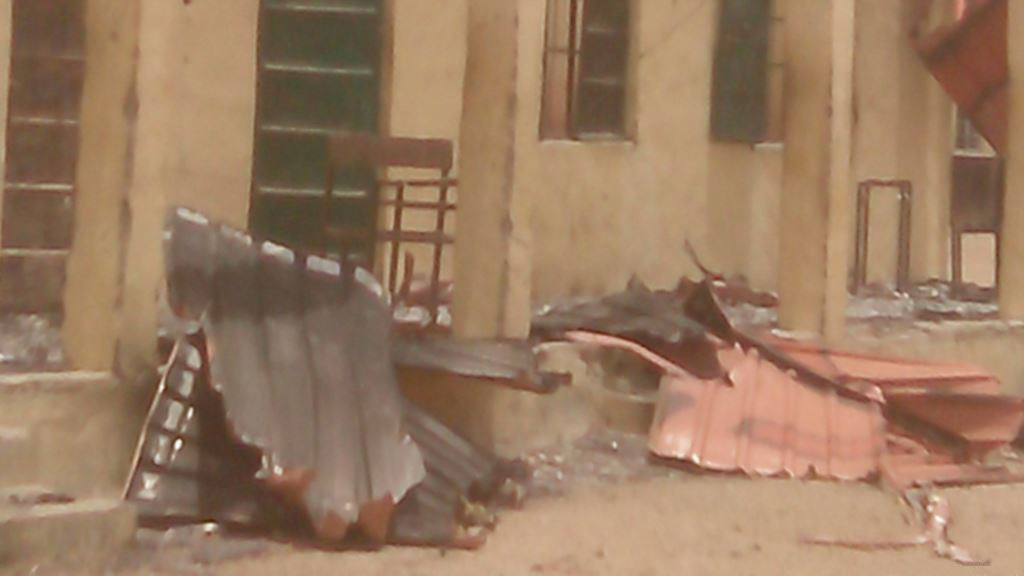
Boko Haram abducted 276 schoolgirls from Chibok, drawing global attention to the insurgency and the vulnerability of children and schools.
Read story →Boko Haram abducted 276 schoolgirls from Government Girls Secondary School, Chibok, Borno State.
Read story →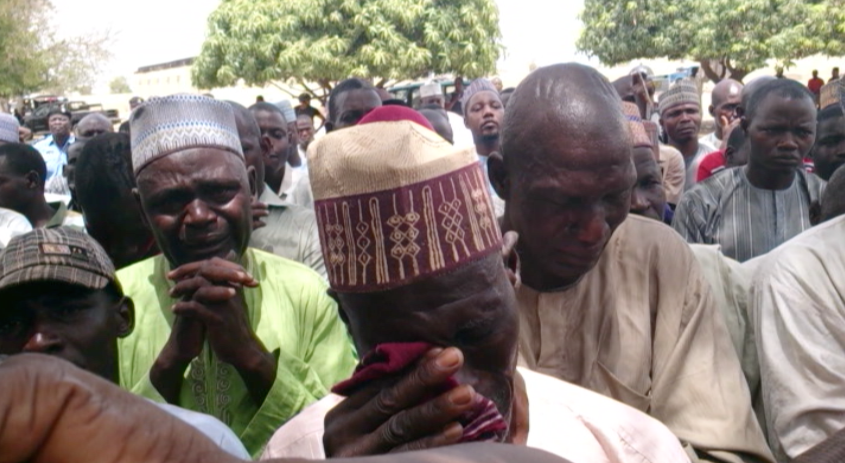
Nigeria and partners launched Safe Schools efforts to protect education in conflict-affected areas.
Read story →Boko Haram abducted schoolgirls from Chibok, Borno State, prompting national and global mobilization.
Read story →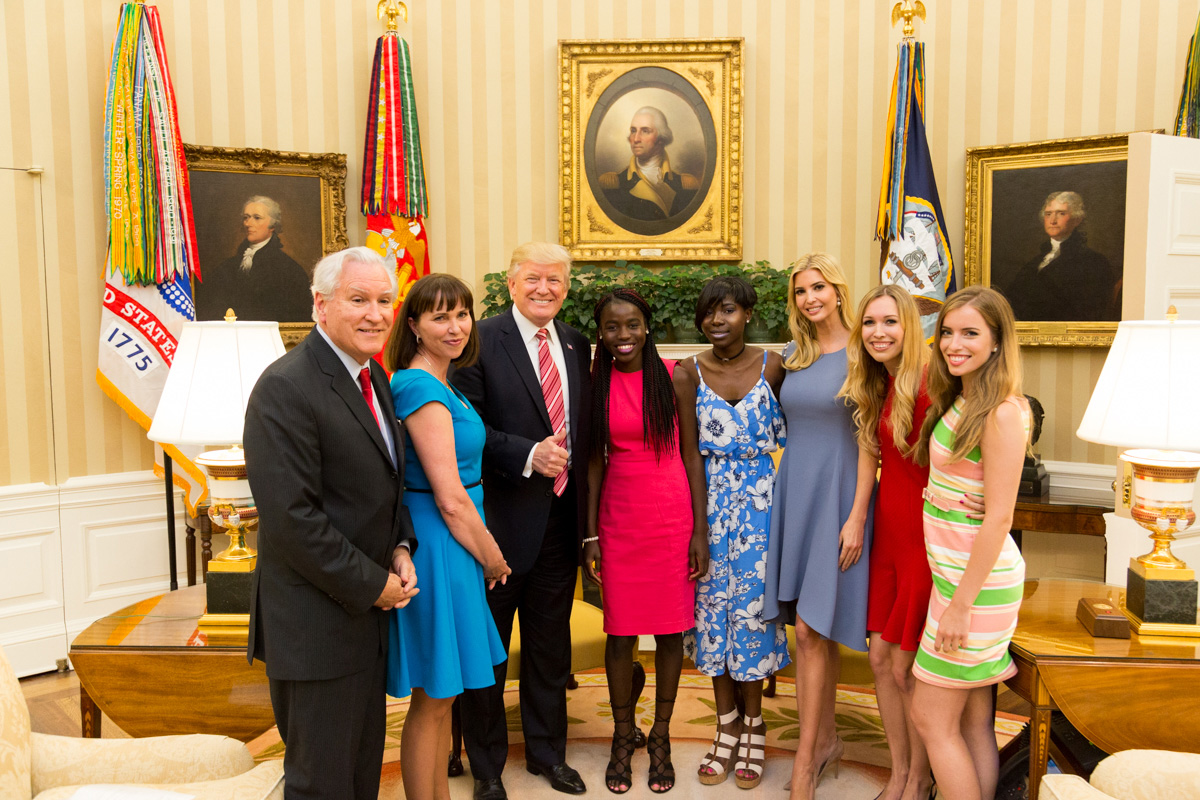
A group of Chibok schoolgirls was released after negotiations involving the government and intermediaries.
Read story →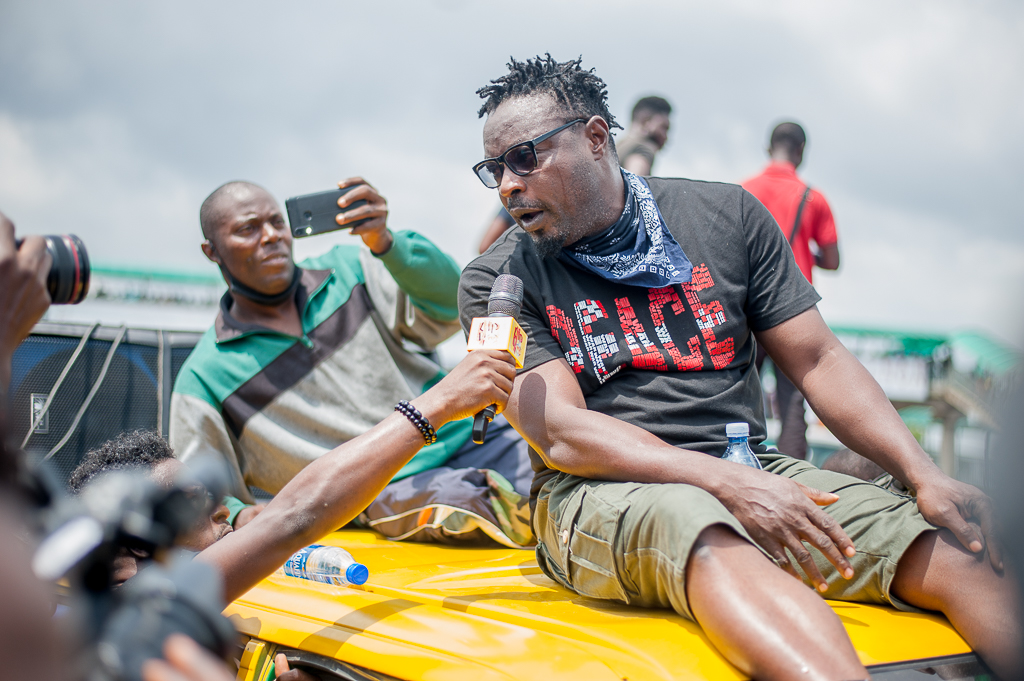
Online mobilization against the Special Anti-Robbery Squad grew years before the mass protests of 2020.
Read story →
Another group of Chibok schoolgirls was released in a negotiated exchange.
Read story →
The Buhari government recognized June 12 as Democracy Day and honored M.K.O.
Read story →Buhari recognized June 12, the date of the annulled 1993 election, as Democracy Day and honored MKO Abiola.
Read story →Legislation made June 12 Nigeria's Democracy Day, replacing May 29 as the official symbolic commemoration.
Read story →
Young Nigerians led nationwide protests against police brutality and SARS abuses.
Read story →
Security forces shot at protesters at Lekki Toll Gate, according to rights groups and later panel findings.
Read story →
Amnesty's investigation into Lekki became one of the major evidence references for the #EndSARS crackdown.
Read story →
Youth-led protests against police brutality and SARS spread across Nigerian cities.
Read story →Security forces opened fire during the #EndSARS protest at Lekki Toll Gate in Lagos.
Read story →
Youth-led protests demanded an end to police brutality and the SARS unit.
Read story →
Security forces opened fire during #EndSARS demonstrations at Lekki Toll Gate, according to investigations and rights reports.
Read story →
The Lagos judicial panel submitted findings on police abuses and the Lekki shooting.
Read story →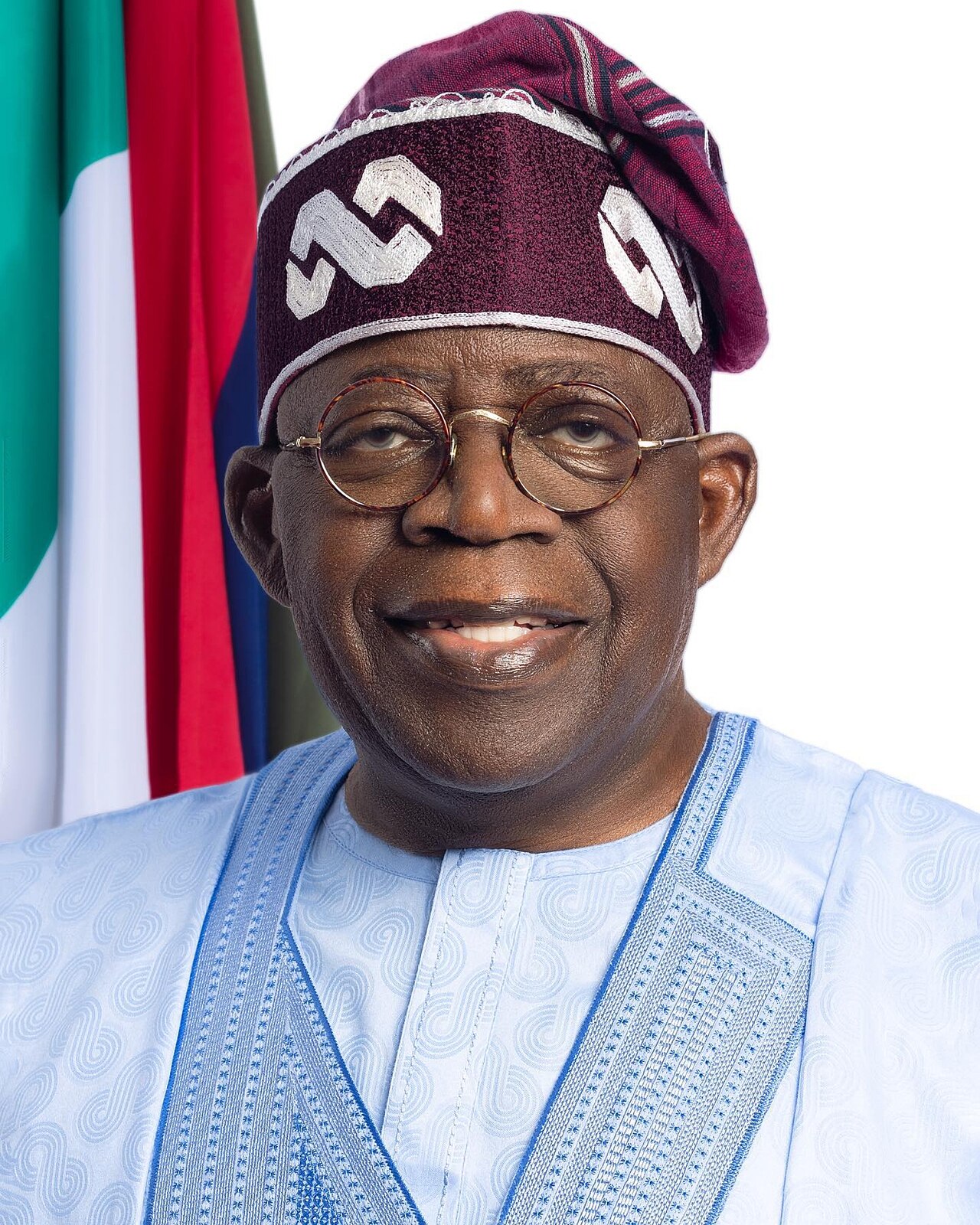
Tinubu was sworn in and announced that the petrol subsidy was gone.
Read story →
Bola Ahmed Tinubu was sworn in and declared that fuel subsidy was gone.
Read story →
Kuriga brought the mass-abduction story back into Children's Day politics a decade after Chibok.
Read story →
By May 2026, Nigeria's Fourth Republic had survived alternation, insurgency, mass protest, recession, pandemic, and sharp Tinubu-era reforms.
Read story →Keep scrolling — more from fourth republic