1000Reasons

Hall of Fame

Nigerian history

Landmarks hold the centre; everything else drifts left and right along a dotted spine. Keep scrolling — more unfolds era by era.


37000 BCE → 2026Scroll to unfold

Deep history

  1. Constitutions & Republics

    Earliest Palaeolithic tool industry in the Nok valley

    Gravels in the oldest infill of a buried channel in the Nok valley yielded large numbers of bifaces and cleavers of an Acheulian/early industry.

    Read story →

Deep history

  1. Constitutions & Republics

    Civil war and revival under Oba Akenzua I of Benin

    In the last decade of the 17th century a split between the Iyase and town chiefs and the palace chiefs led to a lengthy civil war in which Benin City was again…

    Read story →
  2. Constitutions & Republics

    Oba begins civil war against the town chiefs

    About 1690 the Oba of Benin began to take drastic action against powerful chiefs both within Benin City and in the provinces, striking particularly at the weal…

    Read story →
  3. Constitutions & Republics

    Akenzua I emerges victorious from civil war; restores crown authority

    Akenzua I was the Oba who emerged triumphant from the civil wars spanning the end of the seventeenth and opening of the eighteenth centuries.

    Read story →
  4. Constitutions & Republics

    Basorun Gaha's dominance and Alafin Abiodun's counter-coup at Oyo

    In 1754 Basorun Gaha moved to deprive the Alafin of economic power by substituting his own relations for the Alafin's Ajele in tributary towns, becoming as des…

    Read story →
  5. Constitutions & Republics

    The Egba revolt and win independence from Oyo

    The Egba, located west of Ife and north of Lagos, revolted and gained independence from Oyo by around 1796 as Oyo's power weakened.

    Read story →

Keep scrolling — more from deep history

Pre-Independence
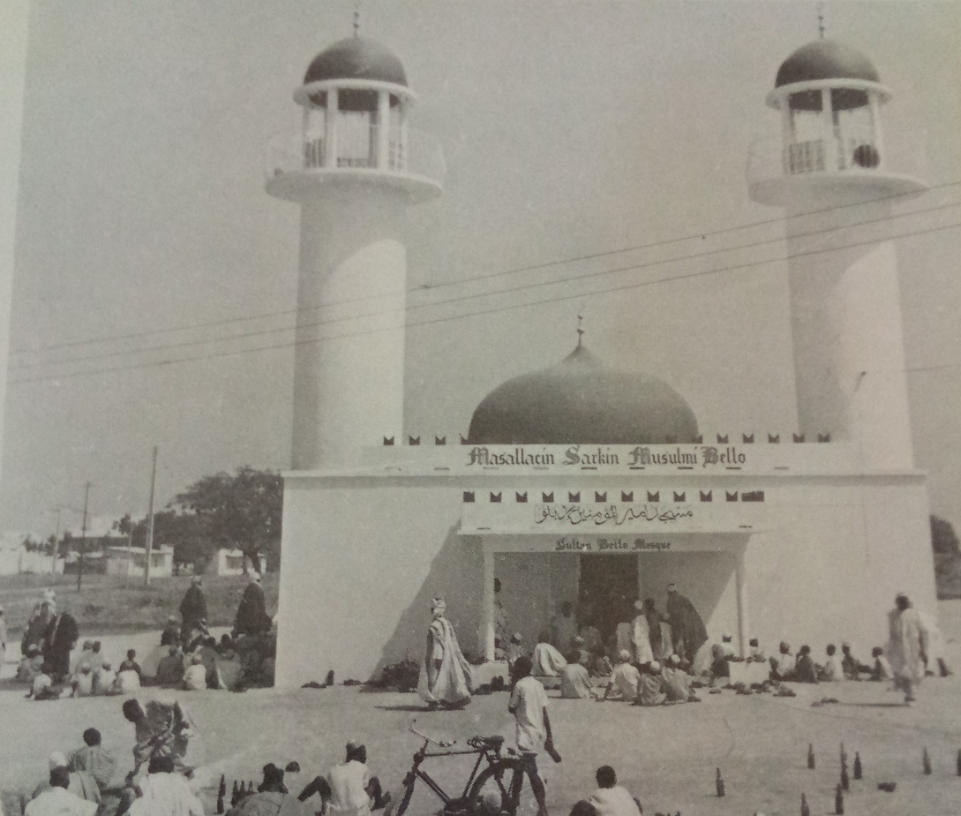
  1. Sokoto Caliphate consolidates emirate rule — archival photograph
    Foundations & Kingdoms

    Sokoto Caliphate consolidates emirate rule

    After the jihad, the Sokoto Caliphate organized a network of emirates under religious and political authority.

    Read story →
  2. Constitutions & Republics

    Abd al-Salam rebels against the Sokoto Caliphate

    Soon after Usman dan Fodio's death, Abd al-Salam, the follower whose emigration from Gobir had helped instigate the jihad, rebelled against the caliphate in 18…

    Read story →
  3. Constitutions & Republics

    Muslims seize control of Ilorin; emirate under Sokoto Caliphate established

    Around 1823, six years after the initial rebellion, Muslims seized full control of Ilorin, which became an emirate of the Sokoto Caliphate under the immediate…

    Read story →
  4. Constitutions & Republics

    John Beecroft appointed first British Consul for the Bights of Benin and Biafra

    On 30 June 1849 John Beecroft was appointed British Consul for the Bights of Benin and Biafra—the first such appointment, marking the formal establishment of B…

    Read story →
  5. Constitutions & Republics

    Bonny civil war; approximately 300 pro-Pepple supporters killed

    In 1855 full-scale civil war broke out in Bonny between the royalist (pro-Pepple) and anti-monarchist (pro-Alali) factions.

    Read story →
  6. Constitutions & Republics

    Bonny civil war drives Ja Ja to found Opobo

    In 1869 Anna Pepple House and Manilla Pepple House went to war in Bonny, after which Ja Ja evacuated the town and founded his own state upriver at Opobo.

    Read story →
  7. Constitutions & Republics

    Second Bonny civil war

    In 1869 a second civil war broke out in Bonny between the rival trading houses led by Oko Jumbo and Jaja (Anna Pepple House).

    Read story →
  8. Berlin Conference and the scramble for Africa — archival photograph
    Foundations & Kingdoms

    Berlin Conference and the scramble for Africa

    European powers formalized rules of imperial competition in Africa, accelerating claims over territory including the Niger basin.

    Read story →
  9. Constitutions & Republics

    Berlin Conference Navigation Act and the Niger

    Britain's grant of a charter to Goldie's Royal Niger Company was described as 'the cheapest and most effective way' of meeting the obligations imposed on her b…

    Read story →
  10. Constitutions & Republics

    The Kano civil war over a disputed succession

    After the Emir of Kano died in 1893, Caliph Abdurrahman bypassed the popular Yusuf bin Abdullahi for the late emir's son Tukur, prompting Yusuf to set up a riv…

    Read story →
  11. Lugard returns to plan Nigerian amalgamation — archival photograph
    Constitutions & Republics

    Lugard returns to plan Nigerian amalgamation

    Lugard returned as governor of both Northern and Southern Nigeria, preparing the administrative merger completed in 1914.

    Read story →
  12. Constitutions & Republics

    Lugard appointed Governor-General to execute amalgamation

    In 1912, Frederick Lugard was sent back to Nigeria as Governor-General with the specific commission to merge the Colony and Protectorate of Southern Nigeria wi…

    Read story →
  13. Constitutions & Republics

    Amalgamation of Northern and Southern Nigeria; Provincial System Extended

    On the amalgamation of the Colony and Protectorate of Southern Nigeria with the Protectorate of Northern Nigeria in 1914, Lugard extended to the rest of the co…

    Read story →
  14. Constitutions & Republics

    Amalgamation of Northern and Southern Nigeria Protectorates

    Frederick Lugard, as Governor-General (December 1913 – November 1918), forced the various tribal national groups and the two Protectorates to amalgamate in 191…

    Read story →
  15. Independence date negotiations settle around 1960 — archival photograph
    Constitutions & Republics

    Independence date negotiations settle around 1960

    British and Nigerian leaders moved toward a 1960 independence date after constitutional talks and regional self-government arrangements.

    Read story →
  16. Federal election sets independence government — archival photograph
    Elections & Democracy

    Federal election sets independence government

    The 1959 federal election produced the coalition arrangement that took Nigeria into independence, with the Northern People's Congress and allies central to fed…

    Read story →
  17. Civil service Nigerianization becomes urgent before independence — archival photograph
    Protest, Press & Civil Society

    Civil service Nigerianization becomes urgent before independence

    As independence approached, Nigerian leaders pushed to replace expatriate officials and expand local administrative capacity.

    Read story →
  18. Independence constitution preserves federal parliamentary model — archival photograph
    Constitutions & Republics

    Independence constitution preserves federal parliamentary model

    The final pre-independence settlement preserved a Westminster-style parliamentary federation with powerful regions and a federal center.

    Read story →
  19. Final federal election before independence — archival photograph
    Elections & Democracy

    Final federal election before independence

    The 1959 federal election produced a coalition government ahead of independence.

    Read story →

Keep scrolling — more from pre-independence

First Republic

  1. Nigeria Independence Act passed — archival photograph
    Constitutions & Republics

    Nigeria Independence Act passed

    The British Parliament passed the Nigeria Independence Act, providing the legal instrument for Nigeria to become independent on 1 October 1960.

    Read story →
  2. Balewa government begins the First Republic parliamentary order — archival photograph
    Coups & Military Rule

    Balewa government begins the First Republic parliamentary order

    Abubakar Tafawa Balewa served as prime minister under a parliamentary system, with Nnamdi Azikiwe as governor-general and later president.

    Read story →
  3. Balewa's post-independence coalition management — archival photograph
    Elections & Democracy

    Balewa's post-independence coalition management

    Prime Minister Abubakar Tafawa Balewa governed through an NPC-NCNC coalition after independence, balancing regional parties rather than a single national major…

    Read story →
  4. Azikiwe as Governor-General under the Independence Constitution — archival photograph
    Coups & Military Rule

    Azikiwe as Governor-General under the Independence Constitution

    Nnamdi Azikiwe served as Governor-General while Nigeria remained a Commonwealth realm with the British monarch as formal head of state.

    Read story →
  5. Independence Constitution comes into force — archival photograph
    Constitutions & Republics

    Independence Constitution comes into force

    Nigeria became independent on 1 October 1960 under a parliamentary constitution with the British monarch as ceremonial head.

    Read story →
  6. Constitutions & Republics

    Nigerian independence as a Federation of three regions

    Nigeria achieved colonial independence in October 1960 as a Federation of three regions — the Northern, Western, and Eastern Regions — with a weak centre, unde…

    Read story →
  7. First Republic inaugurated — archival photograph
    Elections & Democracy

    First Republic inaugurated

    Nigeria became a republic on the third anniversary of independence, and Azikiwe became ceremonial president.

    Read story →
  8. Election crises expose the First Republic's fragility — archival photograph
    Security & Insurgency

    Election crises expose the First Republic's fragility

    Federal and Western Region elections were marred by boycott, allegations of manipulation, violence, and legitimacy disputes.

    Read story →

Keep scrolling — more from first republic

Military I

  1. Nigeria's first military coup — archival photograph
    Coups & Military Rule

    Nigeria's first military coup

    A group of military officers overthrew the civilian government and killed senior political and military figures, including Prime Minister Balewa and Northern P…

    Read story →
  2. Counter-coup kills Ironsi and brings Gowon to power — archival photograph
    Coups & Military Rule

    Counter-coup kills Ironsi and brings Gowon to power

    Northern officers led a counter-coup in which Ironsi and others were killed; Yakubu Gowon emerged as head of state.

    Read story →
  3. First military coup begins — archival photograph
    Coups & Military Rule

    First military coup begins

    Army officers attempted to overthrow the federal government, killing Prime Minister Balewa and two regional premiers.

    Read story →
  4. Counter-coup removes Ironsi — archival photograph
    Coups & Military Rule

    Counter-coup removes Ironsi

    Northern officers and soldiers overthrew Ironsi in a violent counter-coup.

    Read story →
  5. Eastern Region declares the Republic of Biafra — archival photograph
    Civil War & Biafra

    Eastern Region declares the Republic of Biafra

    Chukwuemeka Odumegwu Ojukwu declared the Eastern Region independent as Biafra.

    Read story →
  6. Nigerian Civil War begins — archival photograph
    Civil War & Biafra

    Nigerian Civil War begins

    Federal forces moved against Biafra, beginning a war that lasted until January 1970.

    Read story →
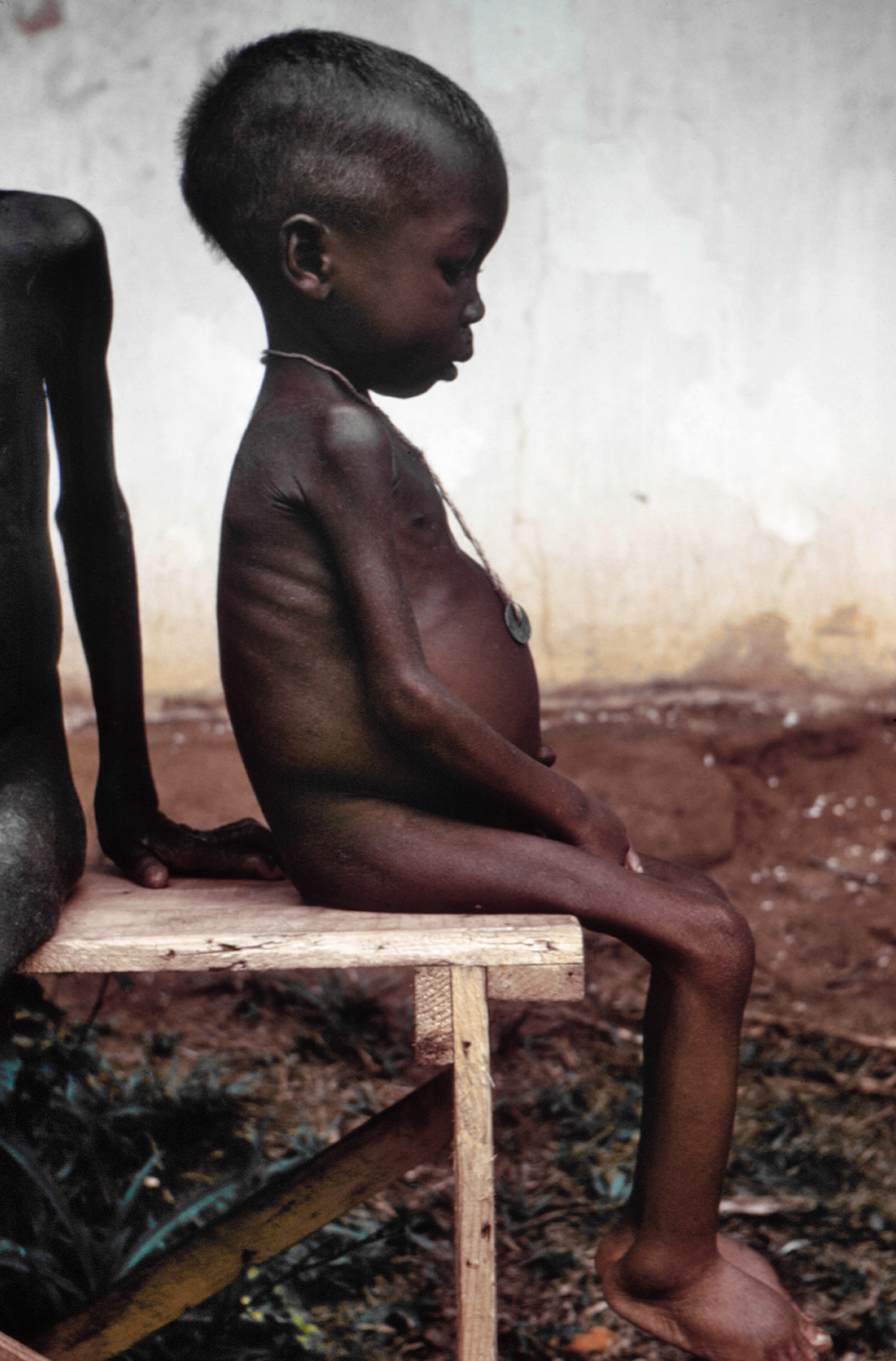
  7. Biafra invades the Midwest; federal forces retake territory — archival photograph
    Civil War & Biafra

    Biafra invades the Midwest; federal forces retake territory

    Biafran forces crossed the Niger, seized Benin City, and briefly threatened the route toward Lagos before federal forces pushed them back and later captured En…

    Read story →
  8. Republic of Biafra declared — archival photograph
    Civil War & Biafra

    Republic of Biafra declared

    Ojukwu declared the Eastern Region independent as the Republic of Biafra.

    Read story →
  9. Nigerian Civil War begins — archival photograph
    Civil War & Biafra

    Nigerian Civil War begins

    Federal forces opened operations against Biafra in July 1967.

    Read story →
  10. Uli airstrip becomes Biafra's external lifeline — archival photograph
    Civil War & Biafra

    Uli airstrip becomes Biafra's external lifeline

    Biafra relied on the Uli airstrip for relief flights, diplomatic contacts, and some military supply.

    Read story →
  11. Port Harcourt falls and Biafra loses critical oil access — archival photograph
    Civil War & Biafra

    Port Harcourt falls and Biafra loses critical oil access

    Federal forces captured Port Harcourt after a campaign through the Rivers area.

    Read story →
  12. Some states recognize Biafra — archival photograph
    Civil War & Biafra

    Some states recognize Biafra

    Tanzania, Gabon, Cote d'Ivoire, Zambia, and Haiti recognized Biafra across 1968-1969.

    Read story →
  13. Tanzania recognizes Biafra — archival photograph
    Civil War & Biafra

    Tanzania recognizes Biafra

    Tanzania became one of the few African states to recognize Biafra.

    Read story →
  14. Gabon, Ivory Coast, and Zambia recognize Biafra — archival photograph
    Civil War & Biafra

    Gabon, Ivory Coast, and Zambia recognize Biafra

    A small group of African states extended recognition to Biafra.

    Read story →
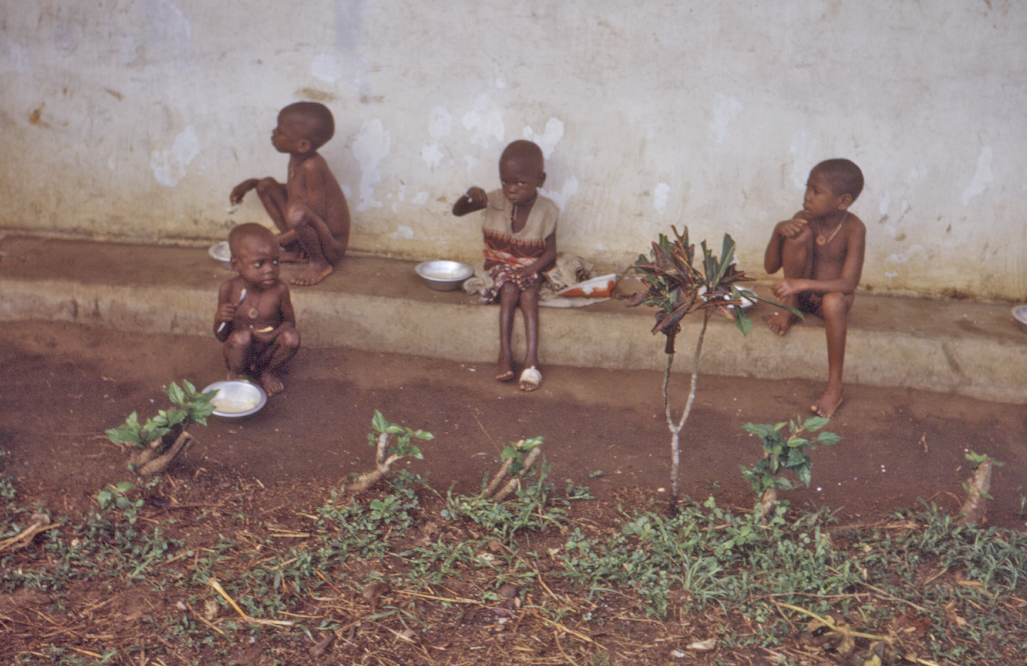
  15. ICRC scales up Nigeria-Biafra operation — archival photograph
    Civil War & Biafra

    ICRC scales up Nigeria-Biafra operation

    The ICRC mounted a large humanitarian operation as famine images reached the world.

    Read story →
  16. ICRC airlift to Biafra established — archival photograph
    Civil War & Biafra

    ICRC airlift to Biafra established

    The ICRC says it established an airlift for Biafra in September 1968 as millions faced acute malnutrition.

    Read story →
  17. Federal offensives tighten Biafra's enclave — archival photograph
    Civil War & Biafra

    Federal offensives tighten Biafra's enclave

    By 1969, federal forces had reduced Biafra to a shrinking inland enclave.

    Read story →
  18. Biafra surrenders; war ends — archival photograph
    Civil War & Biafra

    Biafra surrenders; war ends

    Biafran forces surrendered in January 1970.

    Read story →
  19. Ojukwu leaves Biafra — archival photograph
    Civil War & Biafra

    Ojukwu leaves Biafra

    As Biafra collapsed, Ojukwu handed over to Philip Effiong and left for exile.

    Read story →
  20. Ojukwu leaves Biafra — archival photograph
    Civil War & Biafra

    Ojukwu leaves Biafra

    Ojukwu left Biafra for exile as the enclave collapsed.

    Read story →
  21. Civil war formally ends — archival photograph
    Civil War & Biafra

    Civil war formally ends

    Nigeria accepted Biafra's surrender, ending the war after roughly thirty months.

    Read story →
  22. Dimka coup fails — archival photograph
    Coups & Military Rule

    Dimka coup fails

    The coup attempt that killed Murtala did not gain lasting control.

    Read story →

Keep scrolling — more from military i

Second Republic
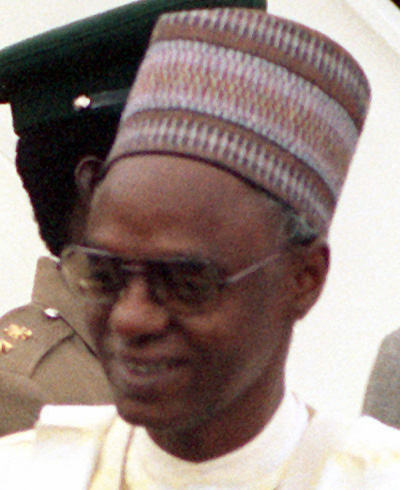
  1. Constitution establishes presidential Second Republic — archival photograph
    Constitutions & Republics

    Constitution establishes presidential Second Republic

    The 1979 Constitution replaced the Westminster model with a U.S.-style presidential system.

    Read story →
  2. Second Republic struggles with oil downturn and patronage — archival photograph
    Elections & Democracy

    Second Republic struggles with oil downturn and patronage

    The Shagari administration governed through a presidential system amid economic stress, corruption allegations, and party competition.

    Read story →
  3. Oil-price weakness punctures Second Republic budgets — archival photograph
    Economy & Oil

    Oil-price weakness punctures Second Republic budgets

    The oil boom faded while import-heavy spending and ambitious projects continued.

    Read story →

Keep scrolling — more from second republic

Military II

  1. Buhari military coup ends Second Republic — archival photograph
    Coups & Military Rule

    Buhari military coup ends Second Republic

    The military overthrew Shagari, citing corruption, electoral malpractice, and economic decline.

    Read story →
  2. Ondo election violence marks Second Republic breakdown — archival photograph
    Security & Insurgency

    Ondo election violence marks Second Republic breakdown

    Disputed gubernatorial results in opposition areas, especially Ondo, triggered serious violence.

    Read story →
  3. Buhari coup terminates the Second Republic — archival photograph
    Coups & Military Rule

    Buhari coup terminates the Second Republic

    The military overthrew Shagari's government, citing corruption, economic decay, and electoral malpractice.

    Read story →
  4. Second Republic politicians are detained and tried — archival photograph
    Constitutions & Republics

    Second Republic politicians are detained and tried

    The regime detained many leading politicians and used special tribunals.

    Read story →
  5. Special tribunals try Second Republic politicians — archival photograph
    Constitutions & Republics

    Special tribunals try Second Republic politicians

    Buhari's government detained and tried many Second Republic politicians through special procedures.

    Read story →
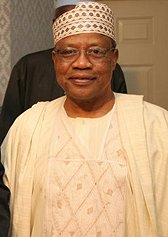
  6. Gideon Orkar coup attempt — archival photograph
    Coups & Military Rule

    Gideon Orkar coup attempt

    An attempted coup against Babangida included a controversial broadcast seeking to excise several northern states from Nigeria.

    Read story →
  7. Gideon Orkar coup attempt challenges Babangida — archival photograph
    Coups & Military Rule

    Gideon Orkar coup attempt challenges Babangida

    Major Gideon Orkar led a failed coup attempt against Babangida.

    Read story →
  8. Coup trials and executions reinforce regime control — archival photograph
    Coups & Military Rule

    Coup trials and executions reinforce regime control

    The government tried and executed participants in the failed Orkar coup.

    Read story →
  9. Ken Saro-Wiwa becomes a global Ogoni voice — archival photograph
    Protest, Press & Civil Society

    Ken Saro-Wiwa becomes a global Ogoni voice

    Writer and activist Ken Saro-Wiwa helped frame Ogoni claims for international audiences.

    Read story →
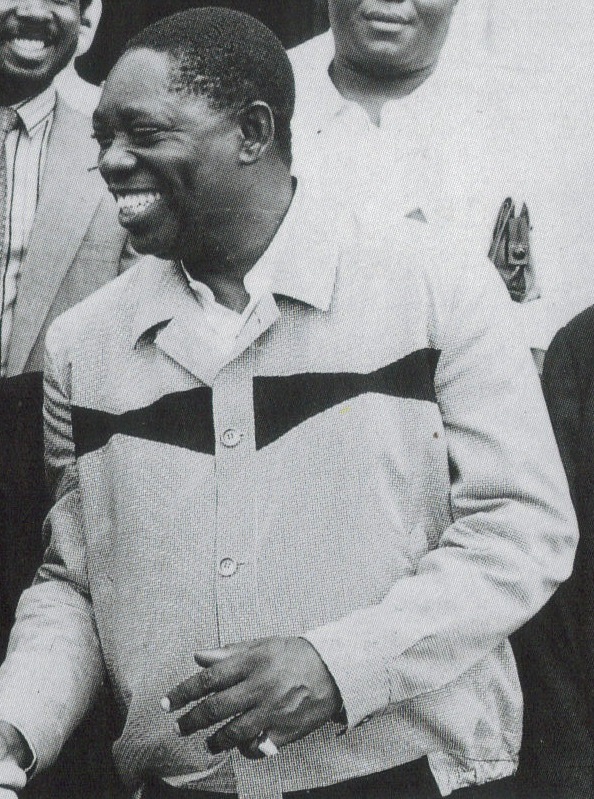
  10. Presidential primaries are annulled — archival photograph
    Coups & Military Rule

    Presidential primaries are annulled

    Babangida cancelled presidential primaries after leading aspirants emerged from the official parties.

    Read story →

Keep scrolling — more from military ii

Interim / Abacha / Abubakar

  1. Babangida annuls the June 12 election — archival photograph
    Coups & Military Rule

    Babangida annuls the June 12 election

    Babangida annulled the election, triggering protests, legitimacy crisis, and the collapse of his transition program.

    Read story →
  2. Crackdown follows the June 12 annulment — archival photograph
    Elections & Democracy

    Crackdown follows the June 12 annulment

    Pro-democracy protests followed the annulment.

    Read story →
  3. Sani Abacha seizes power — archival photograph
    Coups & Military Rule

    Sani Abacha seizes power

    Sani Abacha overthrew the interim government and established one of Nigeria's most repressive military regimes.

    Read story →
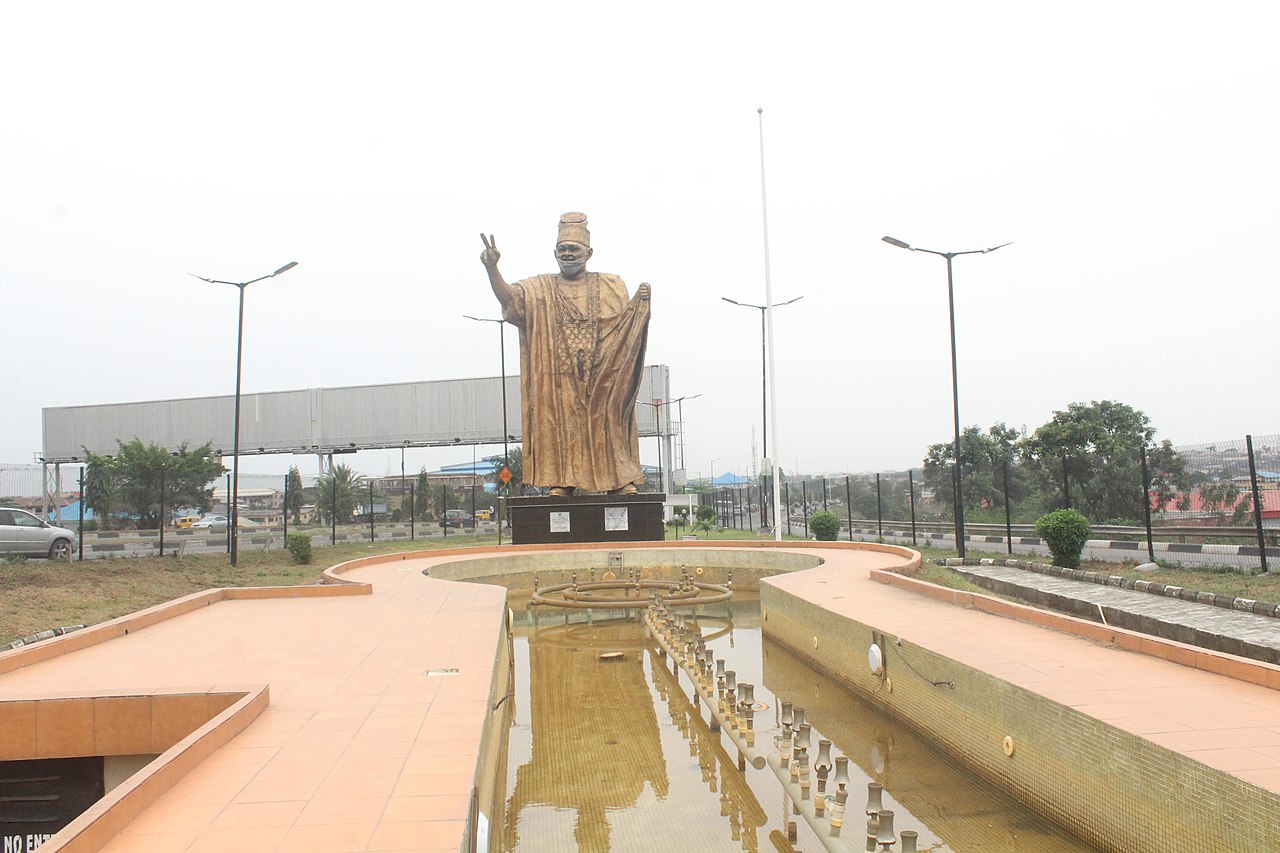
  4. Independent media become June 12 battlegrounds — archival photograph
    Coups & Military Rule

    Independent media become June 12 battlegrounds

    Newspapers and magazines that covered the annulment crisis faced harassment and closures.

    Read story →
  5. Courts question the legal basis of the interim government — archival photograph
    Coups & Military Rule

    Courts question the legal basis of the interim government

    The interim arrangement faced legal and political challenges over its authority.

    Read story →
  6. Abacha removes the interim government — archival photograph
    Coups & Military Rule

    Abacha removes the interim government

    General Sani Abacha seized power from the Shonekan-led interim government.

    Read story →
  7. NADECO forms to defend the June 12 mandate — archival photograph
    Coups & Military Rule

    NADECO forms to defend the June 12 mandate

    The National Democratic Coalition became a key pro-democracy platform against Abacha's rule.

    Read story →
  8. Ken Saro-Wiwa and MOSOP leaders are detained — archival photograph
    Security & Insurgency

    Ken Saro-Wiwa and MOSOP leaders are detained

    Saro-Wiwa and other Ogoni activists were arrested after the killing of four Ogoni leaders.

    Read story →
  9. Alleged coup trials jail Obasanjo and Yar'Adua — archival photograph
    Coups & Military Rule

    Alleged coup trials jail Obasanjo and Yar'Adua

    Abacha's government tried alleged coup plotters including Obasanjo and Shehu Musa Yar'Adua.

    Read story →
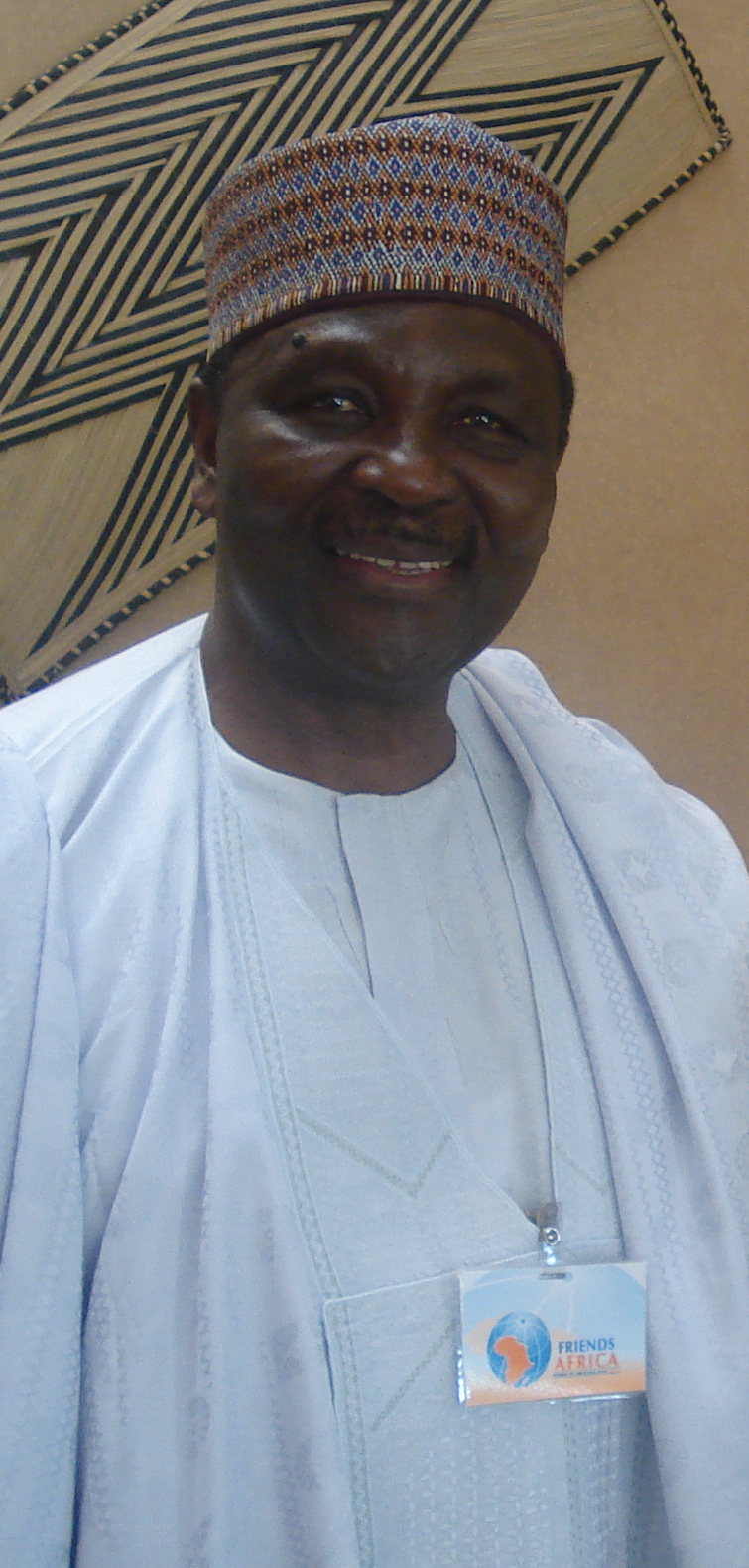
  10. Alleged coup plot implicates Obasanjo and Yar'Adua — archival photograph
    Coups & Military Rule

    Alleged coup plot implicates Obasanjo and Yar'Adua

    Abacha's government accused former leaders and officers of involvement in a coup plot.

    Read story →
  11. Special Ogoni tribunal and Ken Saro-Wiwa executions — archival photograph
    Protest, Press & Civil Society

    Special Ogoni tribunal and Ken Saro-Wiwa executions

    A special tribunal convicted Ken Saro-Wiwa and eight other Ogoni activists, who were executed in November 1995.

    Read story →
  12. Another alleged coup plot gives Abacha a pretext — archival photograph
    Coups & Military Rule

    Another alleged coup plot gives Abacha a pretext

    An alleged Diya-era coup plot gave authorities reason to detain officers and civilians.

    Read story →
  13. Alleged Diya coup plot triggers new arrests — archival photograph
    Coups & Military Rule

    Alleged Diya coup plot triggers new arrests

    Abacha's deputy, Oladipo Diya, and others were accused in another coup plot.

    Read story →
  14. Abacha dies — archival photograph
    Coups & Military Rule

    Abacha dies

    Sani Abacha died suddenly, opening the path to another transition.

    Read story →
  15. Diya coup trials raise renewed due-process concerns — archival photograph
    Coups & Military Rule

    Diya coup trials raise renewed due-process concerns

    Trials connected to the alleged Diya plot drew criticism from rights monitors.

    Read story →
  16. Abacha dies suddenly — archival photograph
    Coups & Military Rule

    Abacha dies suddenly

    Sani Abacha died while still head of state.

    Read story →

Keep scrolling — more from interim / abacha / abubakar

Fourth Republic

  1. Constitution of the Fourth Republic takes effect — archival photograph
    Constitutions & Republics

    Constitution of the Fourth Republic takes effect

    The 1999 Constitution became the legal foundation of the Fourth Republic.

    Read story →
  2. Obasanjo sworn in; Fourth Republic begins — archival photograph
    Coups & Military Rule

    Obasanjo sworn in; Fourth Republic begins

    Olusegun Obasanjo became civilian president, ending nearly sixteen years of continuous military rule and almost three decades of military dominance since 1966.

    Read story →
  3. Fourth Republic inauguration day — archival photograph
    Elections & Democracy

    Fourth Republic inauguration day

    Olusegun Obasanjo was sworn in after the 1999 transition elections, and elected governors and legislatures took office.

    Read story →
  4. First full Fourth Republic budgets test fiscal federalism — archival photograph
    Economy & Oil

    First full Fourth Republic budgets test fiscal federalism

    The new federal and state governments began operating under civilian budget politics after years of military allocation.

    Read story →
  5. Independence Day bombings in Abuja — archival photograph
    Security & Insurgency

    Independence Day bombings in Abuja

    Bombs exploded near Eagle Square during Nigeria's 50th independence anniversary celebrations.

    Read story →
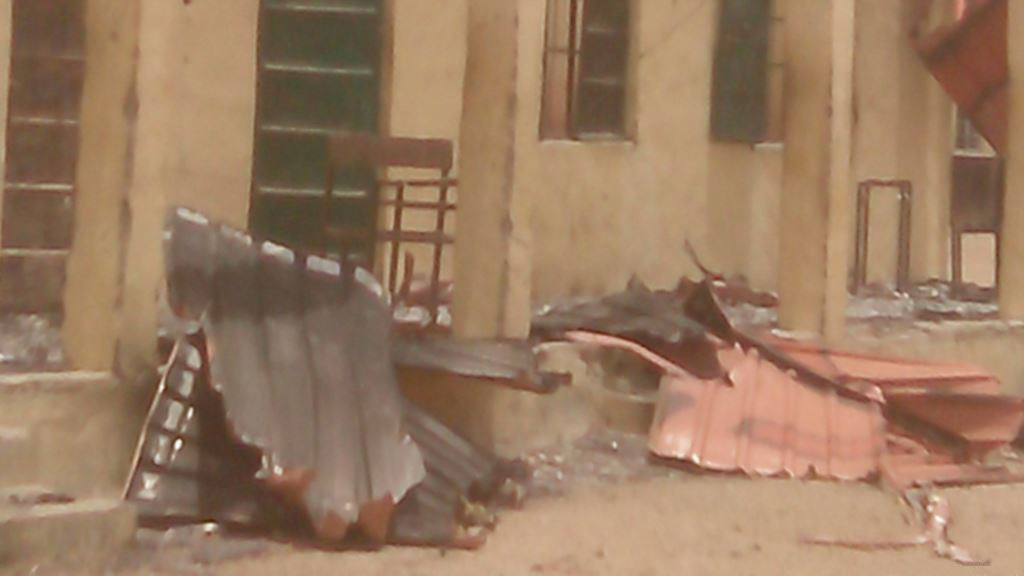
  6. Chibok schoolgirls abducted — archival photograph
    Security & Insurgency

    Chibok schoolgirls abducted

    Boko Haram abducted 276 schoolgirls from Chibok, drawing global attention to the insurgency and the vulnerability of children and schools.

    Read story →
  7. Chibok schoolgirls abducted — archival photograph
    Security & Insurgency

    Chibok schoolgirls abducted

    Boko Haram abducted 276 schoolgirls from Government Girls Secondary School, Chibok, Borno State.

    Read story →
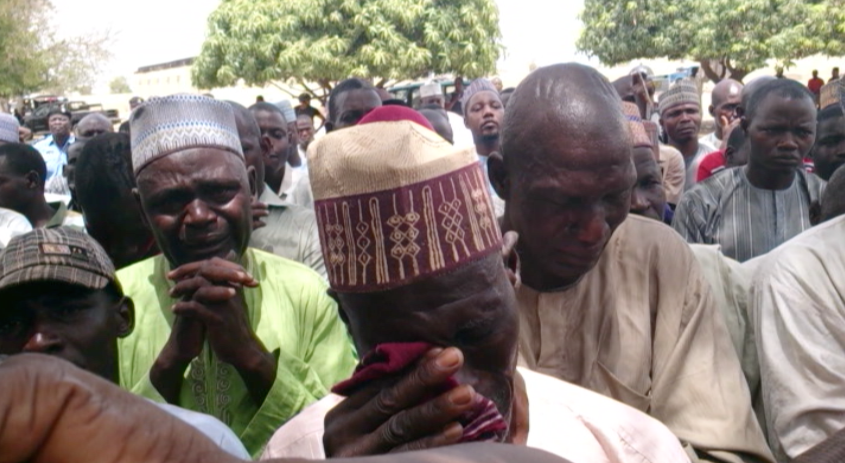
  8. Safe Schools Initiative launched after Chibok — archival photograph
    Security & Insurgency

    Safe Schools Initiative launched after Chibok

    Nigeria and partners launched Safe Schools efforts to protect education in conflict-affected areas.

    Read story →
  9. Chibok schoolgirls abducted — archival photograph
    Security & Insurgency

    Chibok schoolgirls abducted

    Boko Haram abducted schoolgirls from Chibok, Borno State, prompting national and global mobilization.

    Read story →
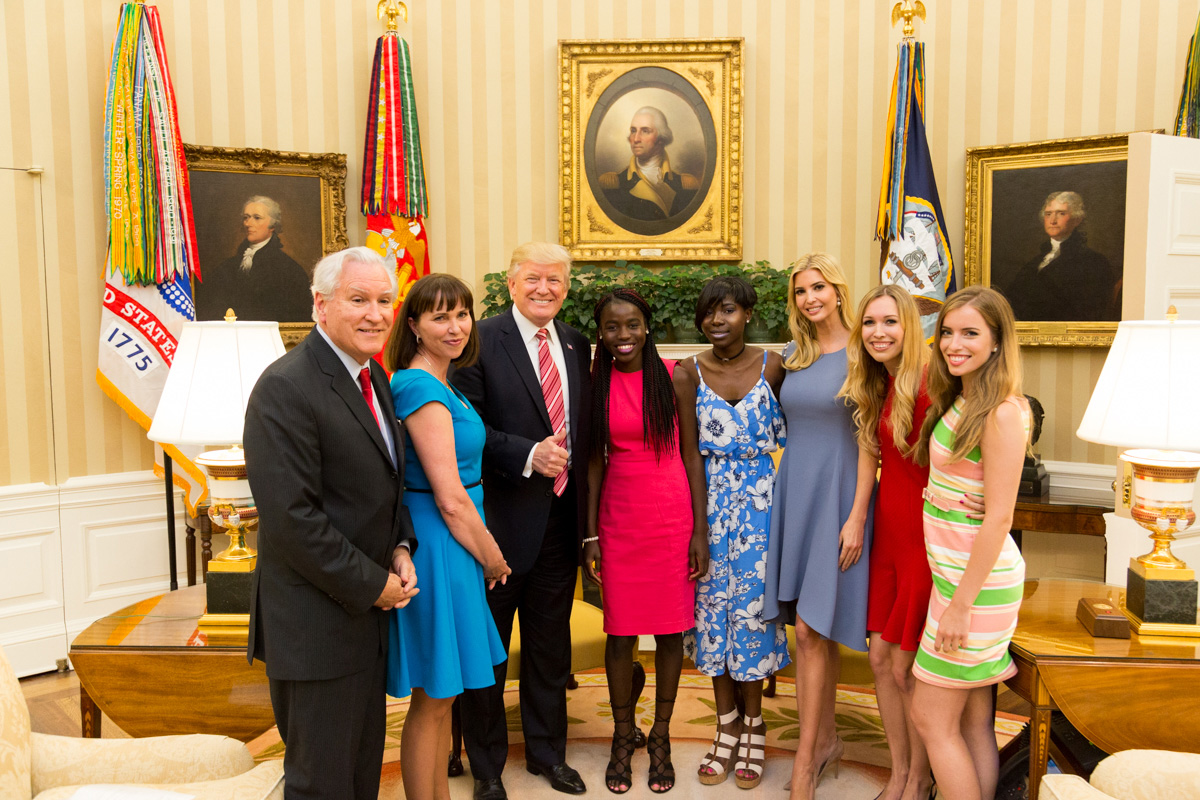
  10. First Chibok girls released through negotiation — archival photograph
    Security & Insurgency

    First Chibok girls released through negotiation

    A group of Chibok schoolgirls was released after negotiations involving the government and intermediaries.

    Read story →
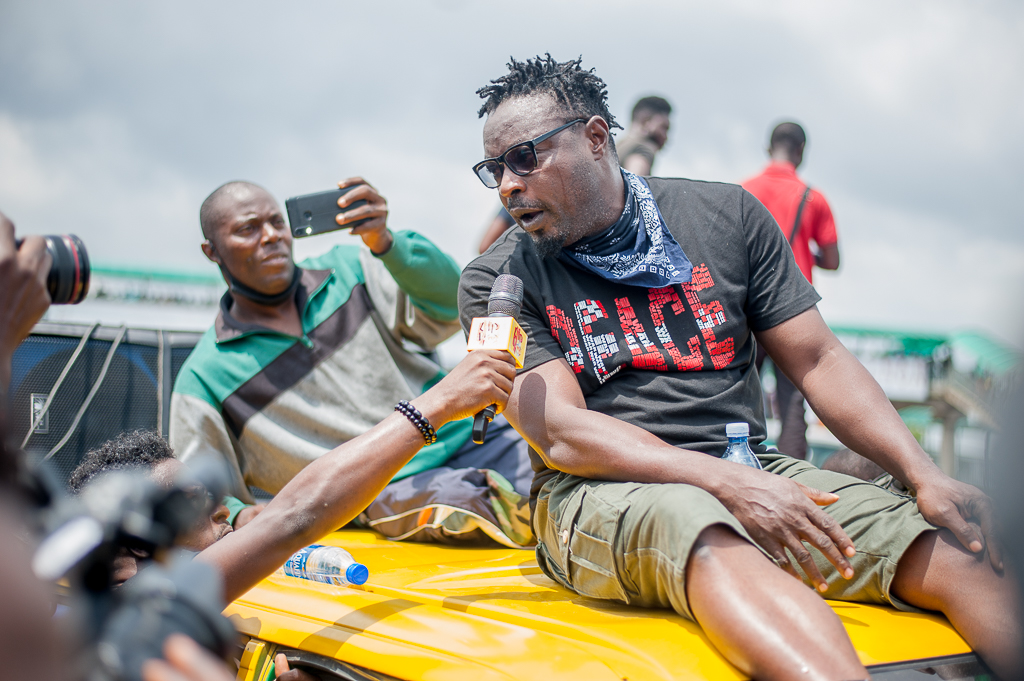
  11. #EndSARS begins as a digital protest language — archival photograph
    Protest, Press & Civil Society

    #EndSARS begins as a digital protest language

    Online mobilization against the Special Anti-Robbery Squad grew years before the mass protests of 2020.

    Read story →
  12. More Chibok girls released — archival photograph
    Security & Insurgency

    More Chibok girls released

    Another group of Chibok schoolgirls was released in a negotiated exchange.

    Read story →
  13. June 12 recognized as Democracy Day — archival photograph
    Elections & Democracy

    June 12 recognized as Democracy Day

    The Buhari government recognized June 12 as Democracy Day and honored M.K.O.

    Read story →
  14. June 12 recognized as Democracy Day — archival photograph
    Elections & Democracy

    June 12 recognized as Democracy Day

    Buhari recognized June 12, the date of the annulled 1993 election, as Democracy Day and honored MKO Abiola.

    Read story →
  15. June 12 becomes statutory Democracy Day — archival photograph
    Elections & Democracy

    June 12 becomes statutory Democracy Day

    Legislation made June 12 Nigeria's Democracy Day, replacing May 29 as the official symbolic commemoration.

    Read story →
  16. #EndSARS mass protests — archival photograph
    Protest, Press & Civil Society

    #EndSARS mass protests

    Young Nigerians led nationwide protests against police brutality and SARS abuses.

    Read story →
  17. Lekki Toll Gate shooting — archival photograph
    Protest, Press & Civil Society

    Lekki Toll Gate shooting

    Security forces shot at protesters at Lekki Toll Gate, according to rights groups and later panel findings.

    Read story →
  18. Amnesty publishes Lekki investigative timeline — archival photograph
    Protest, Press & Civil Society

    Amnesty publishes Lekki investigative timeline

    Amnesty's investigation into Lekki became one of the major evidence references for the #EndSARS crackdown.

    Read story →
  19. #EndSARS protests restart nationally — archival photograph
    Security & Insurgency

    #EndSARS protests restart nationally

    Youth-led protests against police brutality and SARS spread across Nigerian cities.

    Read story →
  20. Lekki Toll Gate shooting — archival photograph
    Protest, Press & Civil Society

    Lekki Toll Gate shooting

    Security forces opened fire during the #EndSARS protest at Lekki Toll Gate in Lagos.

    Read story →
  21. #EndSARS protests — archival photograph
    Security & Insurgency

    #EndSARS protests

    Youth-led protests demanded an end to police brutality and the SARS unit.

    Read story →
  22. Lekki Toll Gate shooting reports — archival photograph
    Protest, Press & Civil Society

    Lekki Toll Gate shooting reports

    Security forces opened fire during #EndSARS demonstrations at Lekki Toll Gate, according to investigations and rights reports.

    Read story →
  23. Judicial panel report on Lekki submitted in Lagos — archival photograph
    Protest, Press & Civil Society

    Judicial panel report on Lekki submitted in Lagos

    The Lagos judicial panel submitted findings on police abuses and the Lekki shooting.

    Read story →
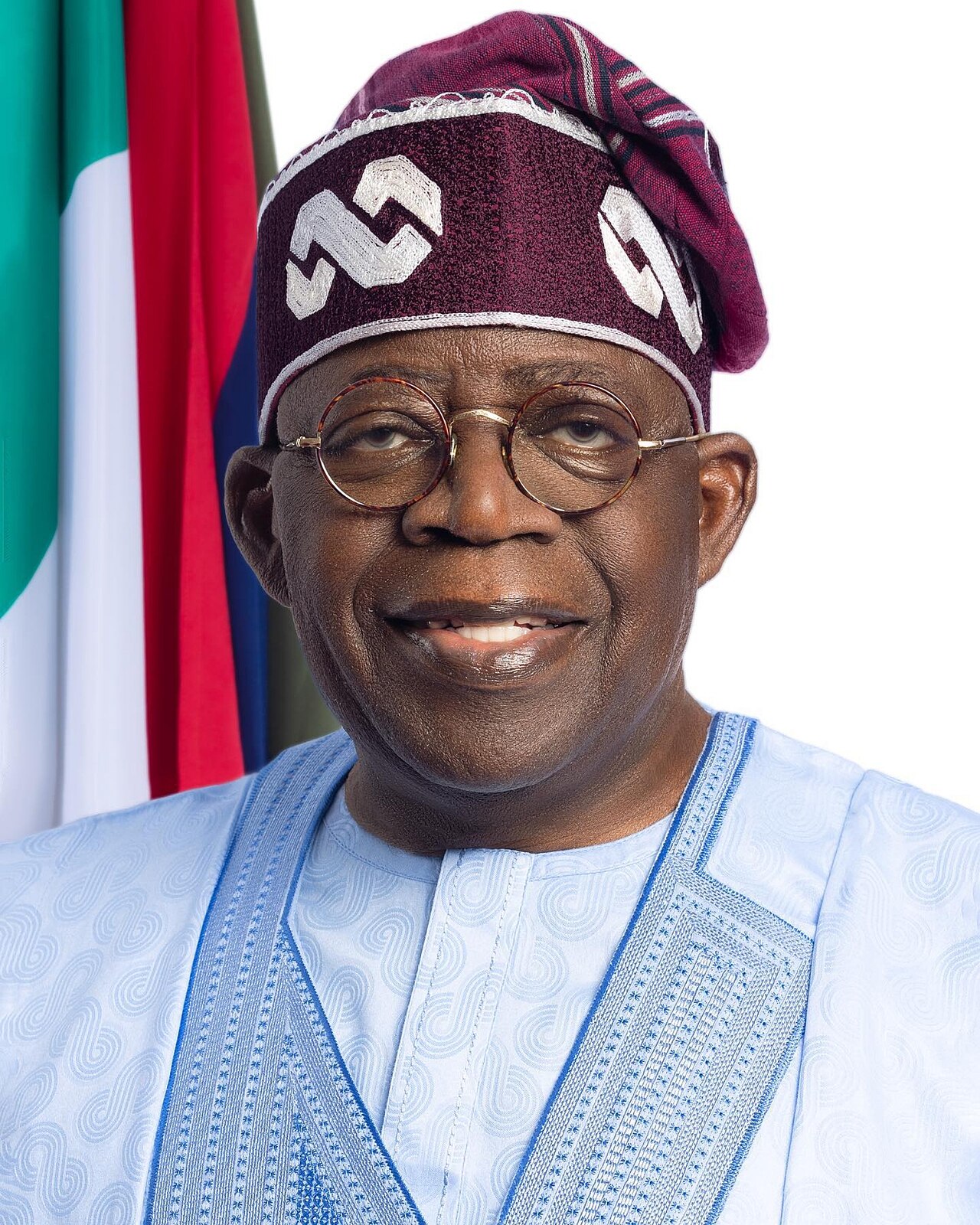
  24. Tinubu sworn in; fuel subsidy declared gone — archival photograph
    Elections & Democracy

    Tinubu sworn in; fuel subsidy declared gone

    Tinubu was sworn in and announced that the petrol subsidy was gone.

    Read story →
  25. Tinubu inaugurated and says subsidy is gone — archival photograph
    Elections & Democracy

    Tinubu inaugurated and says subsidy is gone

    Bola Ahmed Tinubu was sworn in and declared that fuel subsidy was gone.

    Read story →
  26. Kuriga resets the Chibok-to-now school-security arc — archival photograph
    Security & Insurgency

    Kuriga resets the Chibok-to-now school-security arc

    Kuriga brought the mass-abduction story back into Children's Day politics a decade after Chibok.

    Read story →
  27. Fourth Republic enters its 28th year under reform stress — archival photograph
    Security & Insurgency

    Fourth Republic enters its 28th year under reform stress

    By May 2026, Nigeria's Fourth Republic had survived alternation, insurgency, mass protest, recession, pandemic, and sharp Tinubu-era reforms.

    Read story →

Keep scrolling — more from fourth republic